 |
 |
|


MIDDLE EAST LIVE 20 April: Uncertainty grows in the Strait of Hormuz
© IMO A cargo ship laden with containers near a coast. (file photo)
Tensions have escalated in the Strait of Hormuz amid renewed security incidents, including reported attacks on vessels and a US interception of an Iranian cargo ship. It's unclear if more talks will take place in the coming day between Washington and Tehran in Islamabad. In Lebanon, a 10-day ceasefire with Israel continues to hold, with thousands returning to the south despite widespread destruction. A UN peacekeeper was also killed over the weekend – likely from Hezbollah fire. Stay with us for live updates. App users can follow coverage here.
Gaza: ‘Our family table is still here, but not everyone is’
Look at Gaza, through the eyes of Fatima, a girl that before the war wanted to be an engineer and now wants to be a doctor to help children in her community.
Conflict in Gaza has taken a heavy toll on children. According to the UN Children's Fund (UNICEF), more than 64,000 children have reportedly been killed or injured.
Gaza: families turn to desperate measures for survival
In Gaza, one in five households eats just one meal per day.
A staggering 80 per cent of those supported by World Food Programme (WFP) are forced to borrow money for food, and over half have depleted their savings.
Lebanon: Ceasefire holds but humanitarian needs persist
UN peacekeepers in southern Lebanon continue to observe Israeli artillery fire and demolitions despite the ceasefire.
“We urge all parties to exercise maximum restraint and fully respect the ceasefire,” UN Spokesperson Stéphane Dujarric said, briefing journalists in New York.
He added that the UN Interim Force in Lebanon (UNIFIL) personnel are also facing restrictions on their movement, affecting efforts to resupply positions along the Blue Line.
Humanitarian situation
On the humanitarian front, displaced families have begun returning to assess conditions, although authorities caution it remains fragile and unsafe in many areas.
Since early March, at least 177 children have been killed and more than 700 injured, while over 350,000 people have been displaced, many live in overcrowded conditions with limited access to basic services.
Humanitarian partners have delivered millions of meals, water and emergency assistance, but needs continue to outpace the response. The UN is appealing for urgent funding, with less than one-third of the required $308 million received so far.
How the crisis is deepening hunger far beyond the frontlines: WFP
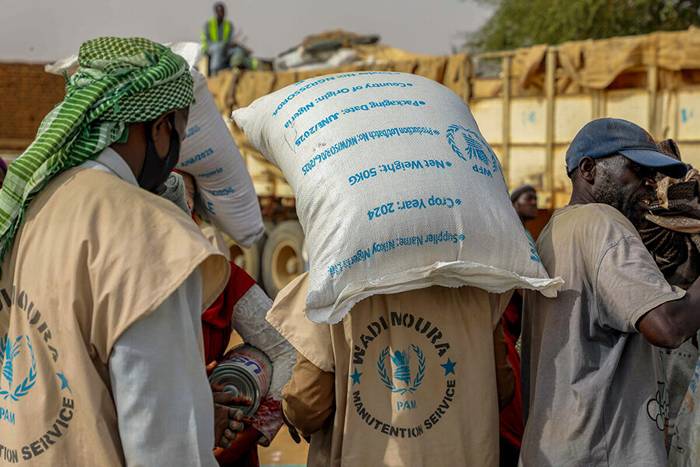
As the conflict's spillover leads to major price hikes in parts of Asia and Africa, the UN World Food Programme (WFP) says keeping humanitarian supply chains open is essential to prevent millions more from tipping into food insecurity.
The ripple effects are being felt first by the world's poorest and most vulnerable people – some living continents away. Transport delays, port congestion and disrupted supply chains are making it much more time consuming and costly to deliver energy, fertilizer, food and medicines.
“The impact is clear,” says Corinne Fleischer, WFP Director of Supply Chain, of the many already struggling with the fallout. “When supply chains are disrupted, it’s felt when they cash out at the supermarket. Delays and higher transport costs push up food prices, and families who spend 50 to 70 percent of their income on food are the first to go without.”
© WFP
Middle East conflict adding to global economic strain, UN chief warns
The conflict in the Middle East is creating a major new shock to the global economy, the UN Secretary-General has warned.
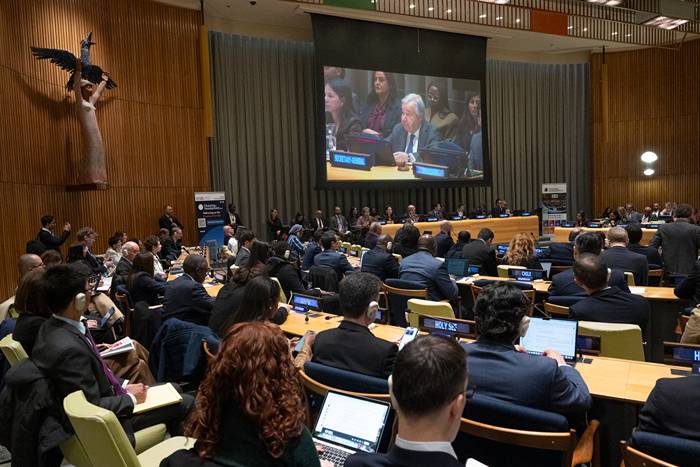
Speaking at the financing for development forum at the UN Economic and Social Council, António Guterres said the violence and its economic fallout are spreading across regions, affecting fuel, fertilizer and food prices, as well as trade, transport and tourism.
Delegates at the 2026 ECOSOC financing for development forum. © UN Photo
He warned that government finances are under increasing pressure due to rising energy costs, slower growth and currency depreciation, adding to already heavy debt burdens in developing countries.
At the same time, there is the troubling trend of declining aid alongside rising military spending, with countries investing more in conflict than in development, he said.
He also highlighted growing challenges in the global financial system, as the financing gap to achieve the Sustainable Development Goals (SDGs) has now surpassed $4 trillion annually.
UNIFIL memorial ceremony for fallen peacekeeper
The UN Interim Force in Lebanon (UNIFIL) held a memorial ceremony for Sergeant-Chef Florian Montorio, a French peacekeeper who was killed in the line of duty at the weekend.
© UN Video
Gaza: $71 billion needed for recovery after years of conflict
A new joint assessment by the United Nations, the European Union and the World Bank underscores the scale of destruction in Gaza and the massive resources required to rebuild.
The report estimates that $71.4 billion will be needed over the next decade, including $26.3 billion in the first 18 months to restore essential services and rebuild infrastructure. Physical damage alone is put at $35.2 billion, with a further $22.7 billion in economic and social losses.
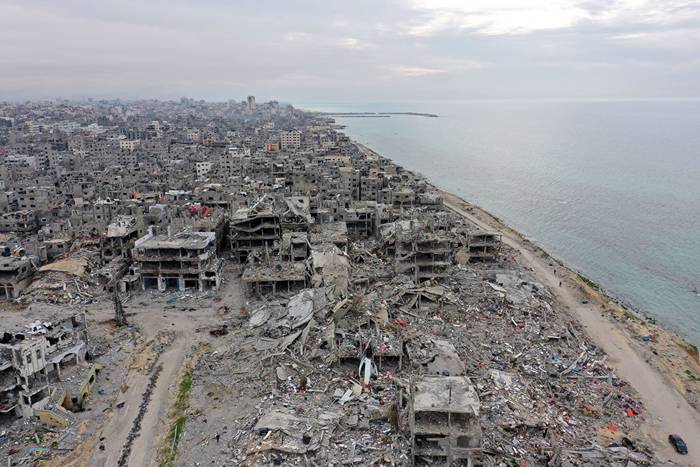
Devastation in north Gaza.
Entire sectors have been devastated: more than 371,000 housing units have been destroyed or damaged, over half of hospitals are no longer functional and nearly all schools have been affected. The economy has contracted by 84 per cent.
The human toll is equally stark: around 1.9 million people have been displaced, many multiple times and more than 60 per cent of the population has lost their homes. The report estimates that human development in Gaza has been set back by 77 years, with women, children and other vulnerable groups bearing the greatest burden.
Middle East crisis driving global food price pressures
Rising violence in the Middle East is having far-reaching impacts on food security worldwide, the UN World Food Programme (WFP) warns.
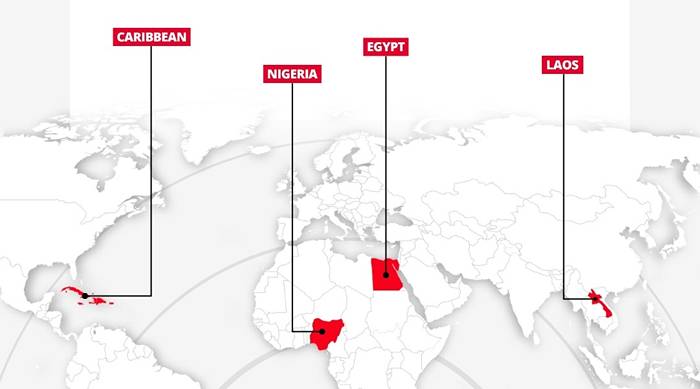
Source: WFP
Countries heavily dependent on imports are among the hardest hit. In Lao People’s Democratic Republic, fuel prices have almost doubled in some areas, pushing up transport costs and forcing families to skip meals or opt for cheaper, less nutritious food.
In Nigeria, fuel prices have risen by more than 60 per cent since February, doubling transport costs and driving up food prices in a country where many people already struggle to afford basic goods.
Egypt is also seeing sharp increases, with vegetable prices nearly tripling, staple foods up 18 per cent and fuel and transport costs rising significantly.
Small island developing States in the Caribbean are facing additional strain, with rising freight and fuel costs increasing the already high price of food and putting pressure on economies dependent on tourism.
20 April 2026 Peace and Security Source: UN News <저작권자 ⓒ GECPO-Green News 무단전재 및 재배포 금지>
 
댓글
관련기사목록
|
많이 본 기사
국제 많이 본 기사
|



회원약관 ㅣ 개인정보취급방침 ㅣ 그린뉴스 소개 ㅣ 광고/제휴 안내 ㅣ 청소년보호정책 ㅣ 회원약관 ㅣ 기사제보 ㅣ 보도자료 ㅣ 기사검색
국제지구환경보전실천기구 그린뉴스 ㅣ 주소 : 광주광역시 광산구 평동로 913번길 58 (월전동) ㅣ 전화 : +82 62-374-6886 휴대폰 010-3244-2558
등록번호 : 광주 아,00264 ㅣ 등록일 : 2017.12.27 ㅣ E-mail : dhl9977@naver.com
회사명 : 국제지구환경보전실천기구 그린뉴스 ㅣ 발행인 : 이종연 ㅣ 편집인 :조재천 ㅣ 청소년보호책임자 : 조재천
Copyright ⓒ 2019 국제지구환경보전실천기구 그린뉴스. All rights reserved.
